
IT Security
Security Awareness Training
Antivirus is not enough to protect a business against all threats. Businesses need to train employees how to react to them too. Our security awareness training platform does this by exposing users to simulated attacks. These help identify employees susceptible to falling for attacks and raise awareness of what a real attack looks like.
Even well-intentioned employees sometimes open email links, click through to a bogus website, or send funds to a fraudster.
After one of our phishing simulations, employees who took the bait are given relevant learning modules. These reduce the chances of them falling for this attack for real. Even with the best cybersecurity solutions, it only takes one employee falling for one phishing attempt for a data breach to occur.
Contact us today to find out more
Security awareness training platform will help you reduce risks with:
Proven effectiveness
User error accounts for almost 90% of breaches. With training, you can change the odds.
Easy learning
Our learning management system can schedule training and run reports automatically. Our training is engaging and effective.
Trackability
We measure the performance of individuals, making education accountable.
Regularity
Ongoing training ensures users are kept up to date with the latest attack methods.
Phishing simulations
We run realistic phishing simulations and monitor user responses. These then direct users to relevant education
Regulatory compliance
Protect users, data and avoid fines. Ensure you are compliant with PCI and GDPR.
What is phishing?
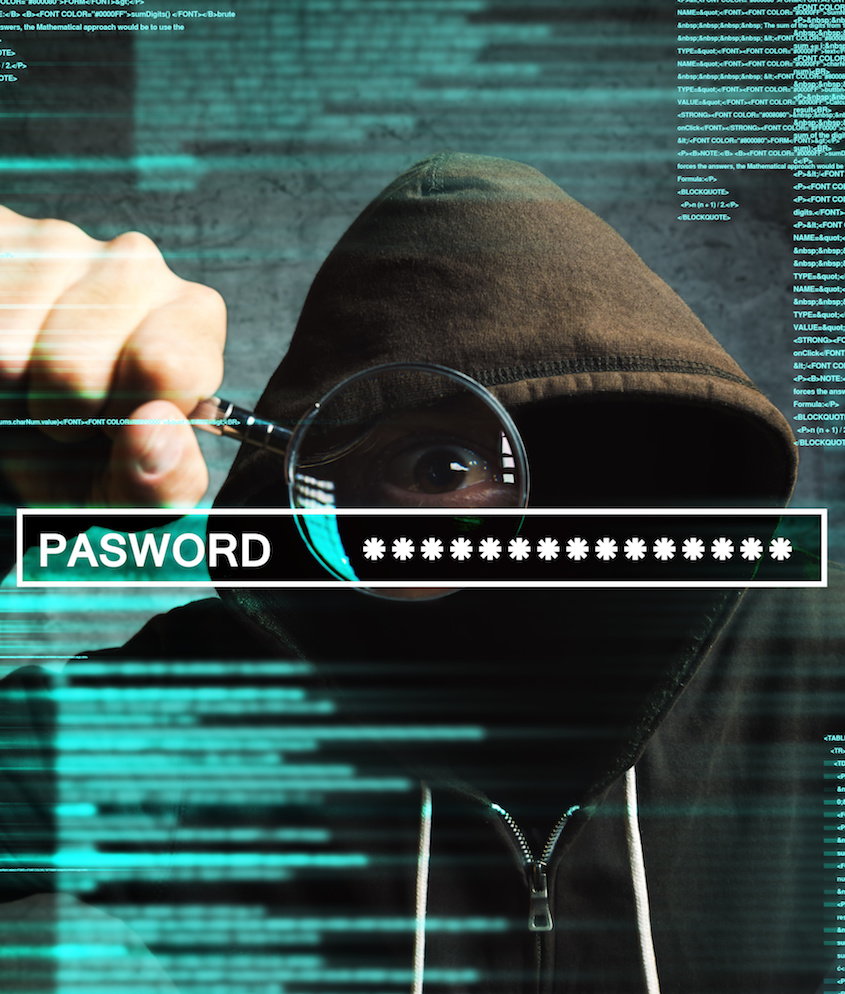
Hackers exploit curiosity, trust and negligence. They trick users into opening suspicious, emails, bad attachments, and malicious URLs. Everyone has seen generic phishing attempts in their inbox that border on nonsensical. These attacks are now replaced with well-crafted messages. They can convince even well-intentioned employees to give up their login credentials to a fake web portal. Or to pay a large amount of money to what appears to be a legitimate vendor that the company does business with.
Another prominent threat is whaling. This is where hackers specifically target executives and managers. They hold highly sensitive information and the ability to initiate large money transfers. The stakes are high with whaling – bogus transfers often exceed £10,000.
Successful phishing attempts can also install malware or ransomware onto an employee’s computer. 73% of ransomware infections are delivered via phishing emails. These can encrypt PCs servers and files. There is a 55% chance that a business will be infected with ransomware. If the ransom is paid, there is only a 49% chance of getting your data back.
What is the impact?
The ransom is often the cheapest part – sometimes as low as £2500. The loss of revenue and reputation is far worse. 87% of respondents were unlikely to do business with an organisation that had suffered a data breach involving credit or debit card details. Consider these costs, fines and lost productivity. More than 50% of SMBs would become unprofitable within a month of a ransomware attack.
Over 90% of successful data breaches start with a phishing attack. All it takes is one employee clicking on a bad link in an email or opening an infected attachment. According to Verizon, nearly 72% of data breaches occurred at companies with fewer than 100 employees, and the trend of targeting small businesses will only grow. 95% of breaches involve an element of human error – our training cuts down on this. We give employees the tools they need to elevate their cybersecurity defences. This reduces their risk of falling for tricks that threaten the business.
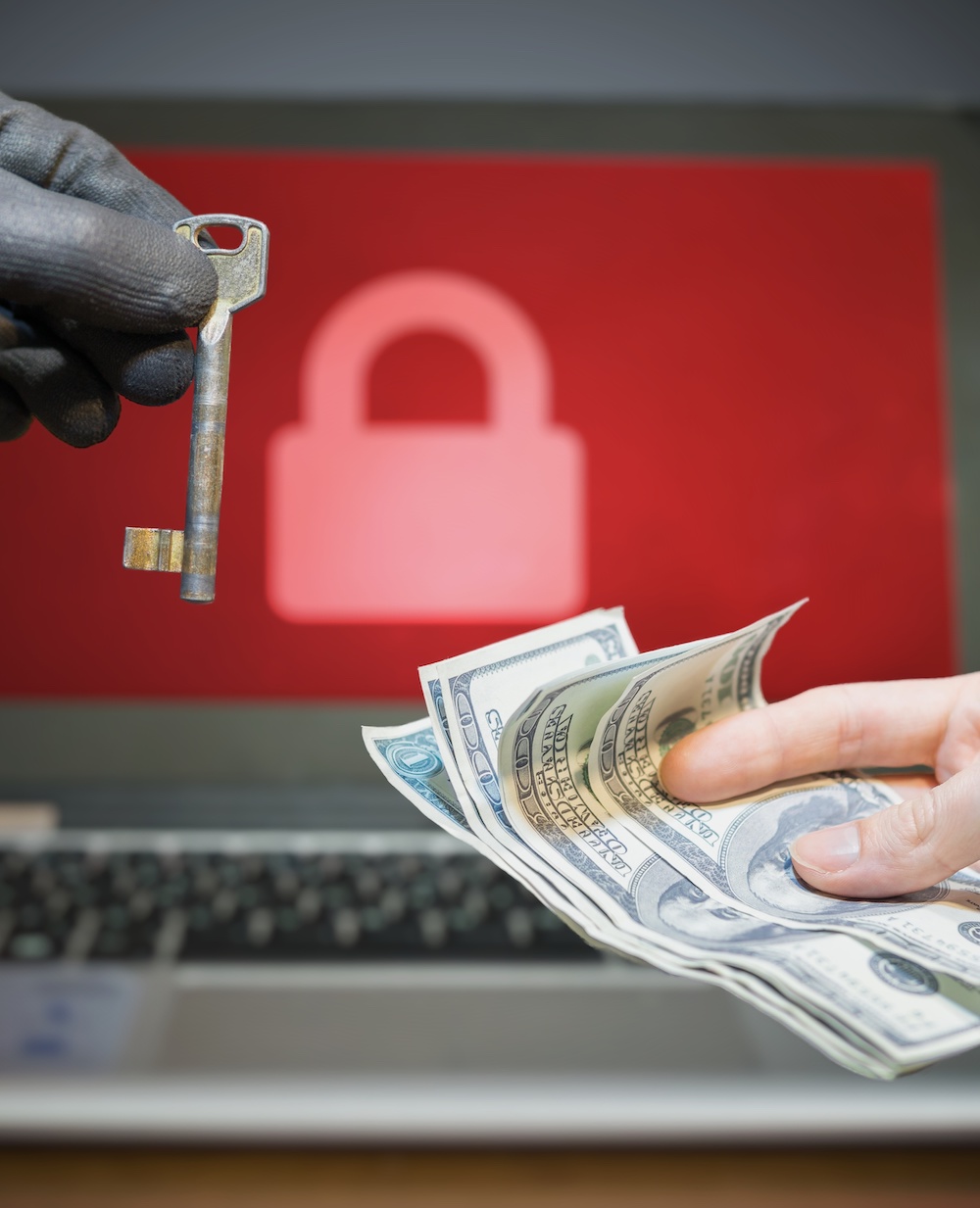
We have all experienced the frustration of a computer taking a long time to reboot and the downtime that causes. Imagine a whole day without that computer, or three days or a week? If data is encrypted and held for ransom this could very well become a reality. Even if you can restore from backup, or if you pay the ransom to decrypt the files, it can possibly take days to return to business as usual. And that is if it ever does at all.
Now consider the costs of this downtime – wages for people that can’t work, as well as overall business costs. Deals and deadlines may be missed. Obligations not fulfilled. Shipments can be delayed. When a business has halt operations, it severely impacts on the bottom line.
And then, your business may be audited by the ICO, taking up valuable time, and resulting in fines. PCI and GDPR enforce strict policies regarding the protection of customer data. The global trend of data protection enforcement will only continue to increase. Requirements around end user education will become even more integral to preventing data breaches.
It is a business’s responsibility to ensure their employees know and adhere to these policies. Training once a year is not enough though – it should be a constant process.
Our training platform enables businesses to minimise the risk of a data breach, prevent productivity losses and ensure data protection standards are met. Avoid financial and reputational setbacks associated with cyber attacks.

Fully managed IT

IT Security

Networking

Disaster Recovery